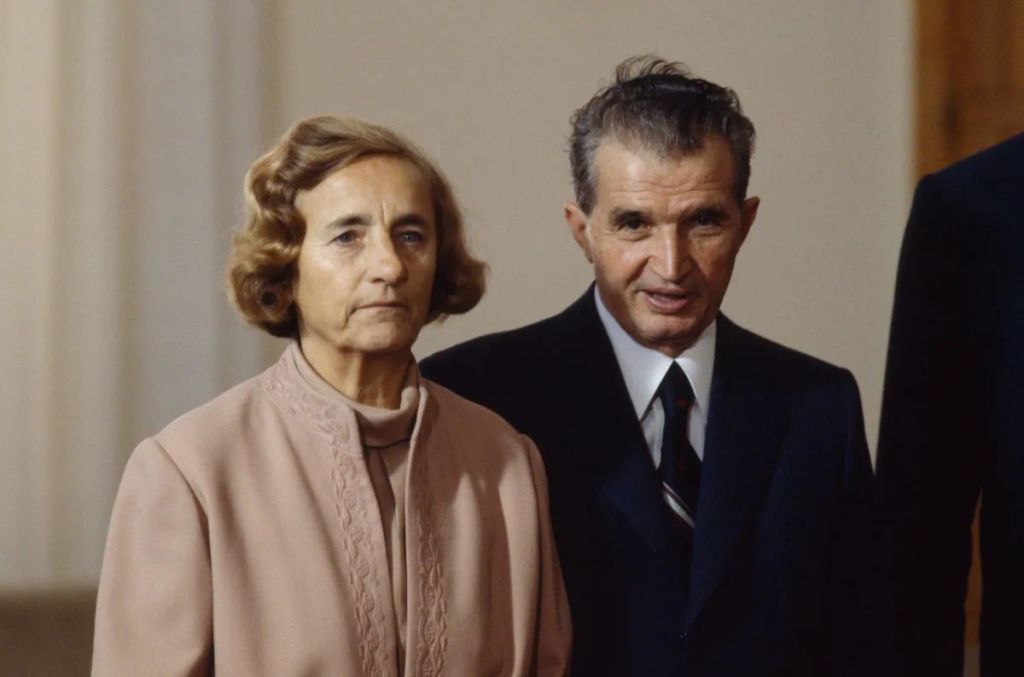
The fall of the Berlin Wall in November 1989 signaled the beginning of the end for many communist regimes in Eastern Europe. Yet, in Romania, the transition was far from peaceful. It culminated in a bloody revolution that brought down one of the 20th century’s most brutal and bizarre dictatorships, led by Nicolae Ceaușescu. For nearly 45 years, Romania endured a form of communism that, particularly under Ceaușescu, pushed its people to the brink.
Let’s delve into the defining characteristics of this dark chapter in Romanian history.
The Reign of the “Conducător”: An Extreme Cult of Personality
Nicolae Ceaușescu, who rose to power in 1965, gradually transformed Romania into a personal fiefdom. He engineered an unprecedented cult of personality, elevating himself and his wife, Elena, to almost mythical status. He was bestowed with ludicrous titles like “The Genius of the Carpathians,” “The Danubian Oak,” and “The Visionary Leader.”
Every facet of public life, from state-controlled media to school curricula, served to glorify the “Conducător” and his “First Lady.” Their images were ubiquitous, their speeches endlessly replayed, and any deviation from the official narrative was met with severe consequences. This constant bombardment of propaganda created a surreal atmosphere where reality was constantly distorted to fit the dictator’s self-aggrandizing vision.
The Ever-Watchful Eye of the Securitate
At the heart of Ceaușescu’s oppressive regime was the Securitate, Romania’s secret police. This organization was arguably one of the most feared and pervasive secret police forces in the Eastern Bloc. Its reach extended into every corner of Romanian society.
The Securitate maintained an immense network of informants, estimated to be one in ten adults in some areas. They employed widespread surveillance, telephone tapping, and arbitrary arrests to crush any hint of dissent. Intellectuals, artists, and anyone perceived as a political opponent faced imprisonment, torture, or internal exile. Personal freedom was non-existent; every conversation, every gathering, every move was potentially monitored, fostering an atmosphere of profound fear and distrust among the population.
Economic Ruin and the Great Sacrifice
Perhaps the most devastating aspect of Ceaușescu’s later rule was his relentless pursuit of a radical economic policy. In the early 1980s, driven by an obsessive desire to pay off Romania’s entire foreign debt, Ceaușescu initiated a draconian austerity program.
This policy came at an unimaginable cost to the Romanian people. Essential goods like food, gas, and electricity were severely rationed or exported to earn hard currency. The shelves of state-run stores were consistently empty, leading to widespread food shortages and malnutrition. In the harsh winters, homes were often unheated, and power cuts were common, forcing families to live in cold, dark conditions while the country’s produce and energy were shipped abroad. This “Great Sacrifice” plunged the vast majority of Romanians into abject poverty and misery, directly contradicting the lavish lifestyle of the ruling elite.
Megalomaniac Projects and the “Systematization” Program
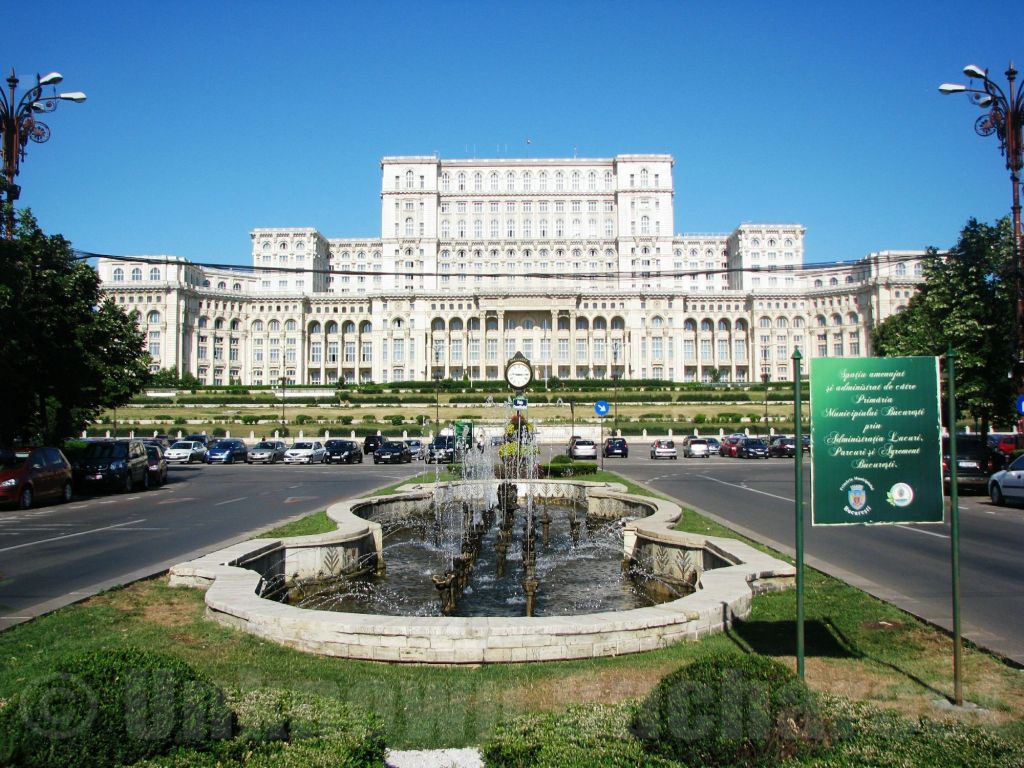
Ceaușescu’s dictatorial vision wasn’t limited to economic policies; it manifested in grand, often destructive, architectural projects. The most infamous example is the Palace of the Parliament (then known as the “House of the People”) in Bucharest. This colossal structure, one of the largest and heaviest buildings in the world, required the demolition of a significant portion of Bucharest’s historic center, displacing thousands of residents and destroying priceless architectural heritage.
Beyond Bucharest, Ceaușescu envisioned a “systematization” program aimed at radically restructuring rural life. This plan entailed the demolition of thousands of traditional villages and the relocation of their inhabitants to new “agro-industrial centers.” The goal was to consolidate agriculture and eradicate the traditional peasant lifestyle, effectively wiping out centuries of cultural heritage for an ideologically driven, yet deeply unpopular, vision.
A Peculiar Foreign Policy
Interestingly, during the 1960s and 1970s, Romania under Ceaușescu garnered some international attention for its relatively independent foreign policy within the Soviet bloc. Ceaușescu often refused to blindly follow Moscow’s lead, notably condemning the 1968 Warsaw Pact invasion of Czechoslovakia and maintaining relations with Israel and West Germany. This stance earned him a degree of recognition and even admiration from some Western leaders, a stark contrast to the brutal repression he inflicted upon his own citizens at home.
The Violent End
The Romanian revolution of December 1989 marked the dramatic and violent end to Ceaușescu’s dictatorship. Unlike other Eastern European nations that saw relatively peaceful transitions, Romania’s revolution involved intense street fighting, particularly in Timișoara and Bucharest. The turning point came on December 22, 1989, when Ceaușescu and Elena fled Bucharest as protests escalated. They were captured, subjected to a hasty trial, and executed on Christmas Day, December 25, 1989, symbolizing the definitive collapse of their oppressive regime.
The legacy of Ceaușescu’s dictatorship continues to shape Romania today, a stark reminder of the dangers of unchecked power, extreme nationalism, and the profound human cost of ideological extremism.
 brainwaves