De krantenkoppen staan vol van internationale spanningen en fluctuerende gasprijzen. In de wandelgangen van Den Haag klinkt dan al snel de roep: “Kunnen we de gaskraan in Groningen niet toch weer een klein beetje opendraaien?”
Het antwoord moet een onvoorwaardelijk nee zijn !!!
Het Groningse gasveld is geen technische noodknop die we naar believen kunnen indrukken wanneer de wereldmarkt onrustig is. Het is de bodem onder de voeten van duizenden Nederlanders. Een bodem die letterlijk en figuurlijk onveilig is geworden door decennia aan gaswinning.
Het opofferen van de veiligheid van eigen burgers om een internationaal schaakbordspel te winnen, is een breuk van het sociaal contract. De “ereschuld” aan Groningen los je niet in door oude wonden open te rijten zodra het economisch even tegenzit.
Echte energie-onafhankelijkheid bereiken we niet door terug te grijpen naar de fossiele reserves van gisteren, maar door te investeren in de oplossingen van morgen. De gaskraan moet dicht blijven. Niet omdat we de geopolitiek negeren, maar omdat we onze eigen mensen niet meer negeren.
Het klinkt zo logisch: wie een ernstig misdrijf pleegt, moet lang en zwaar gestraft worden. Vergelding is een menselijk instinct en een legitiem doel van ons rechtssysteem. Maar de laatste jaren lijkt de balans in Nederland door te slaan. Terwijl we de nadruk leggen op maximale straffen en strengere regimes, dreigen we het belangrijkste doel uit het oog te verliezen: een veilige samenleving op de lange termijn.
De illusie van de tralies
Een celstraf is in feite een pauzeknop. De dader is tijdelijk van de straat, en dat geeft een gevoel van rust. Maar zonder focus op reïntegratie is die rust bedrieglijk. Als we iemand jarenlang in een sociaal vacuüm plaatsen – zonder werk, zonder verantwoordelijkheid en zonder behandeling voor onderliggende problemen – creëren we een “criminele snelkookpan”.
De cijfers liegen niet
Onderzoek na onderzoek laat zien dat louter opsluiten niet werkt tegen recidive. Sterker nog, in landen waar de focus volledig op vergelding ligt (zoals in delen van de VS), is de terugval in criminaliteit schrikbarend hoog.
Reïntegratie is geen “cadeautje” aan de dader, maar een investering in de maatschappij. * Werk en Inkomen: Iemand die de gevangenis verlaat met een vakdiploma en uitzicht op werk, heeft een reden om op het rechte pad te blijven. * Sociale Banden: Contact met familie en een stabiel thuisfront zijn de sterkste factoren die voorkomen dat iemand opnieuw de fout in gaat. * Geleidelijke terugkeer: Door verlofregelingen en proefverlof leert een gedetineerde weer om te gaan met de vrijheid en de verleidingen van de buitenwereld, onder toezicht van de reclassering.
De kosten van het negeren van reïntegratie
Wanneer we bezuinigen op dagprogramma’s, onderwijs en psychische zorg in de bajes (vaak door personeelstekorten of politieke onwil), betalen we daar later de prijs voor. Een ex-gedetineerde die buiten de poort geen huis, geen geld en geen netwerk heeft, valt bijna onvermijdelijk terug in oude patronen. De kosten van een nieuwe rechtszaak, een nieuw slachtoffer en een nieuwe celstraf zijn vele malen hoger dan de kosten van een goed reïntegratietraject.
“Een gevangenis moet geen wachtkamer zijn voor de volgende misdaad, maar een werkplaats voor een nieuw leven.”
Tijd voor een nuchtere koers
Het is tijd dat we reïntegratie niet langer zien als “soft” beleid. Het is het meest pragmatische en effectieve instrument dat we hebben voor een veilig Nederland. Een systeem dat alleen maar straft, kijkt naar het verleden. Een systeem dat investeert in integratie, kijkt naar onze gezamenlijke toekomst. Laten we stoppen met alleen maar boos naar de dader te kijken, en beginnen met slim naar de oplossing te kijken. Want uiteindelijk willen we allemaal hetzelfde: een veilige buurt waar we de deur weer achter ons op slot kunnen draaien, wetende dat de reïntegratie werkt.
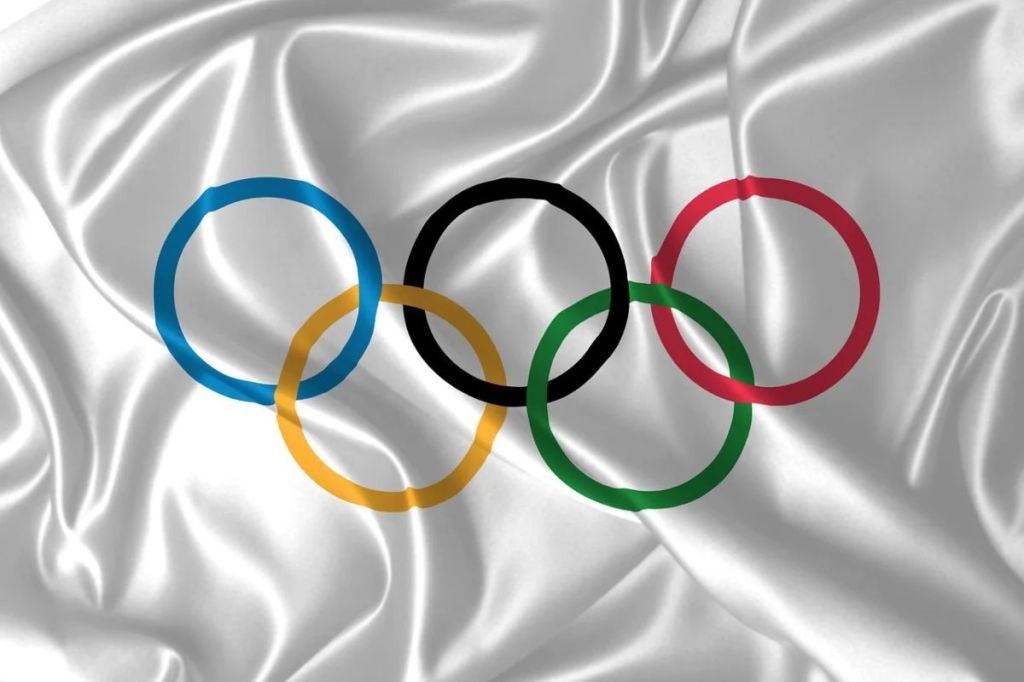
The Olympic Games are designed to be a sanctuary of sport, a place where the world’s conflicts are set aside in favor of “Faster, Higher, Stronger.” But at the Milan-Cortina 2026 Winter Games, the ice of the skeleton track became the center of a profound moral debate involving Ukrainian athlete Vladyslav Heraskevych. Known for his quiet intensity, Heraskevych didn’t make headlines for his sliding speed this time, but for what he wore on his head. His helmet featured a somber collage: the faces of 24 Ukrainian athletes and coaches—all of whom had been killed since the 2022 invasion.
The Clash with Rule 50
The International Olympic Committee (IOC) acted swiftly, citing Rule 50 of the Olympic Charter. This rule prohibits any “demonstration of political, religious or racial propaganda” in Olympic venues. The IOC offered a compromise: wear a black armband during the race and display the helmet only during interviews. Heraskevych refused. To him, hiding the faces of his fallen friends felt like erasing their existence. He was subsequently disqualified, ending his Olympic dream before the first official run.
Why a Tribute is Not a Political Statement
While the IOC categorized the helmet as “political propaganda,” there is a strong argument that Heraskevych’s gesture transcended politics entirely. Here is why: * Humanity, Not Ideology: A political statement usually advocates for a specific policy, party, or border change. Heraskevych wasn’t carrying a manifesto; he was carrying a memorial. Honoring dead colleagues is an act of grief and remembrance, a universal human experience that predates any political system. * The Identity of the Athlete: For Ukrainian athletes, the war is not a “topic” they choose to discuss—it is their reality. Their sport and their survival are inextricably linked. By wearing the helmet, Heraskevych was simply showing up as his full self, acknowledging the people who should have been standing there with him. * The “Neutrality” Paradox: By forcing athletes to be “neutral,” the IOC often forces them to be silent about human rights and loss. If a minute of silence is considered respectful, why is a visual tribute considered a violation? Heraskevych argued that silence in the face of death isn’t neutrality—it’s indifference. “There aren’t enough black armbands in the world to cover the loss of my friends,” Heraskevych stated. “This isn’t about politics; it’s about making sure the world doesn’t forget that these seats are empty for a reason.”
A Legacy Beyond the Podium
Vladyslav Heraskevych left Milan-Cortina without a medal, but he left with something perhaps more enduring: the respect of a nation and a place in Olympic history as a man who chose integrity over hardware. His disqualification forces us all to ask: Should the “Olympic Peace” mean ignoring the world’s tragedies, or should it be a platform where those tragedies are acknowledged with dignity?
Hier is een korte blik op de (fictieve) chaos achter de schermen:
Setting: De eerste ministerraad. Rob Jetten (D66) zit aan het hoofd van de tafel, geflankeerd door een vermoeide VVD-er en een CDA-er die constant zijn rozenkrans vasthoudt.
Jetten: “Oké team, we hebben een historisch akkoord! We gaan Nederland verduurzamen, de woningmarkt fixen en de zorg redden. Iemand bezwaren?”
VVD-minister: “Eh, Rob? We hebben maar 66 zetels. We kunnen nog niet eens beslissen welke koffiebonen we in de automaat stoppen zonder de toestemming van Frans Timmermans of de Groep-Markuszower.”
Jetten: (straalt) “Dat is juist het mooie! Het is geen minderheidskabinet, het is een vrije-markt-democratie. We gaan ‘tinderen’ voor moties. VVD, heb jij al naar rechts geswiped op dat migratieplan? CDA, hoe zit het met de boeren? Hebben we daar al een match?”
CDA-minister: “Ik heb net GroenLinks-PvdA gebeld voor steun op het klimaatplan, maar ze wilden alleen praten als we de Dienstauto van de Premier vervangen door een bakfiets en de Johan Cruijff ArenA omdopen tot het ‘Havermelk-Stadion’.”
VVD-minister: “En de PVV-afsplitsers willen alleen meestemmen met de begroting als we een muur bouwen om de provincie Utrecht. Niet om buitenlanders tegen te houden, maar gewoon omdat ze Utrecht irritant vinden.”
Jetten: (pakt zijn iPad) “Geen probleem. We maken een groepsapp met de hele Tweede Kamer. ‘KabinetjeZoektSteun’. Als we een meerderheid nodig hebben, sturen we een Tikkie voor een stem. ‘Wie gunt ons de stikstofwet? Je krijgt een gratis bitterbal in de fractiekamer!'”
VVD-minister: “Rob, dit is geen land besturen. Dit is een constante aflevering van Dragons’ Den, maar dan met mensen die elkaars bloed wel kunnen drinken.”
Jetten: “Details! We noemen het gewoon ‘bestuurlijke vernieuwing’. En als het mislukt, zeggen we dat het de schuld is van de 84 zetels die niet in het kabinet zitten. Dat is pas efficiëntie!”
Wat we kunnen verwachten:
De Bordesscène: Waarschijnlijk op een heel klein trapje, omdat ze niet genoeg mensen hebben om de hele trap van Paleis Huis ten Bosch te vullen.
Bezuinigingen: De eerste bezuiniging is al rond: er wordt bespaard op hamers, want de voorzitter moet er toch 150 keer per dag mee slaan om de chaos te stoppen.
Early this morning, the world woke up to the news of a massive military operation in Caracas. U.S. President Donald Trump has confirmed that American special forces, reportedly including Delta Force, launched a “large-scale strike” on Venezuela, capturing President Nicolás Maduro and First Lady Cilia Flores and flying them out of the country. While political opinions on the Maduro administration vary wildly, the legal reality of this morning’s actions is stark. From a legal standpoint, this operation represents one of the most significant challenges to the established international order in decades. Here is why this is a grave violation of international law.
Violation of Territorial Sovereignty
The cornerstone of the United Nations Charter is the principle of territorial integrity. No state has the right to intervene in the internal affairs of another, let alone launch an unprovoked military strike on a sovereign nation’s capital. By deploying low-flying aircraft and conducting strikes on military installations like La Carlota and Fuerte Tiuna, the U.S. has bypassed the UN Security Council entirely, making this an act of unilateral aggression.
The Illegal Capture of a Sitting Head of State
Under established international norms, sitting heads of state enjoy diplomatic immunity. Even when a leader is accused of crimes—such as the drug trafficking charges cited by U.S. Attorney General Pam Bondi—the “capture” and removal of a president by a foreign military is widely viewed as a kidnapping or a “regime change” operation, not a legal extradition. This sets a dangerous precedent: if one nation can unilaterally decide a foreign leader is a “criminal” and use special forces to abduct them, the entire framework of sovereign immunity collapses.
Lack of a “Self-Defense” Justification
International law allows for the use of force only in two scenarios: * Authorization by the UN Security Council. * Self-defense against an armed attack (Article 51).
The U.S. has not provided evidence of an “imminent attack” from Venezuela. Claims of “narcoterrorism” or regional stability, while serious, do not legally justify a full-scale military invasion or the abduction of a foreign leader under the current international legal framework.
Human Cost and Civilian Risks
Reports are already emerging of civilian casualties and widespread power outages in Caracas. International humanitarian law (the laws of war) requires that any military action must be proportionate and must distinguish between military and civilian targets. A nighttime raid in a densely populated capital city, accompanied by airstrikes, inherently risks the lives of millions of non-combatants.
The Precedent of 1989
Many analysts are drawing parallels to the 1989 U.S. invasion of Panama to capture Manuel Noriega. However, the world in 2026 is a different place. With the UN Secretary-General already expressing “deep alarm” and nations like Russia and Mexico condemning the “assault on sovereignty,” the U.S. may find itself more diplomatically isolated than ever before.
Conclusion
Might does not make right. Regardless of one’s view of Maduro’s domestic policies, the circumvention of international law threatens the safety of all nations. If the “rules-based order” only applies when it is convenient for the powerful, then the rules effectively cease to exist.
The fall of the Berlin Wall in November 1989 signaled the beginning of the end for many communist regimes in Eastern Europe. Yet, in Romania, the transition was far from peaceful. It culminated in a bloody revolution that brought down one of the 20th century’s most brutal and bizarre dictatorships, led by Nicolae Ceaușescu. For nearly 45 years, Romania endured a form of communism that, particularly under Ceaușescu, pushed its people to the brink. Let’s delve into the defining characteristics of this dark chapter in Romanian history.
The Reign of the “Conducător”: An Extreme Cult of Personality
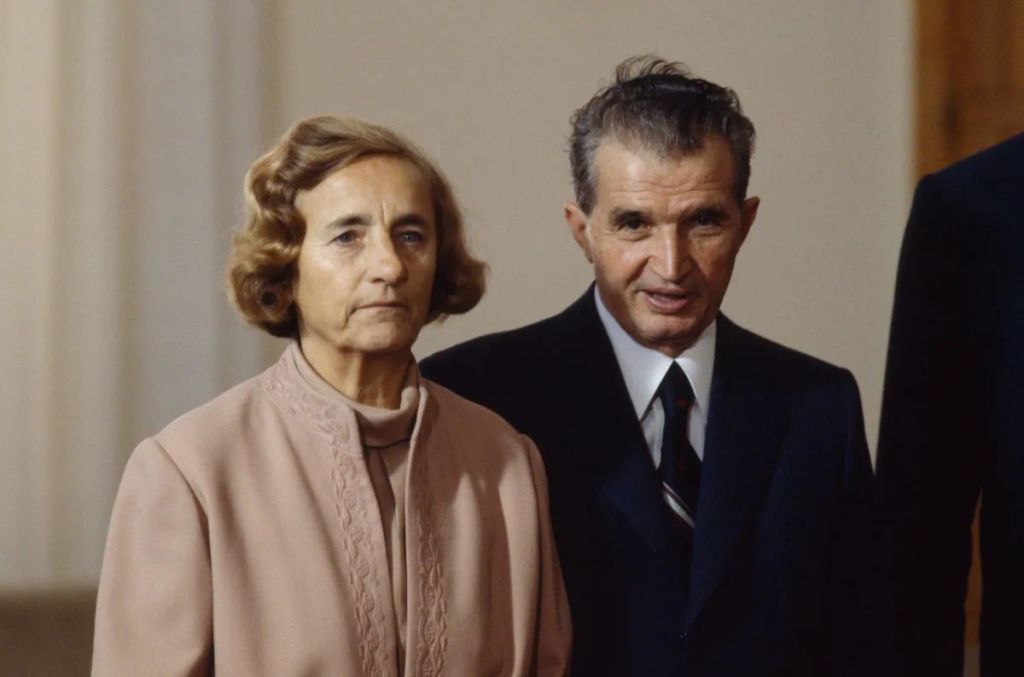
Nicolae Ceaușescu, who rose to power in 1965, gradually transformed Romania into a personal fiefdom. He engineered an unprecedented cult of personality, elevating himself and his wife, Elena, to almost mythical status. He was bestowed with ludicrous titles like “The Genius of the Carpathians,” “The Danubian Oak,” and “The Visionary Leader.” Every facet of public life, from state-controlled media to school curricula, served to glorify the “Conducător” and his “First Lady.” Their images were ubiquitous, their speeches endlessly replayed, and any deviation from the official narrative was met with severe consequences. This constant bombardment of propaganda created a surreal atmosphere where reality was constantly distorted to fit the dictator’s self-aggrandizing vision.
The Ever-Watchful Eye of the Securitate
At the heart of Ceaușescu’s oppressive regime was the Securitate, Romania’s secret police. This organization was arguably one of the most feared and pervasive secret police forces in the Eastern Bloc. Its reach extended into every corner of Romanian society. The Securitate maintained an immense network of informants, estimated to be one in ten adults in some areas. They employed widespread surveillance, telephone tapping, and arbitrary arrests to crush any hint of dissent. Intellectuals, artists, and anyone perceived as a political opponent faced imprisonment, torture, or internal exile. Personal freedom was non-existent; every conversation, every gathering, every move was potentially monitored, fostering an atmosphere of profound fear and distrust among the population.
Economic Ruin and the Great Sacrifice
Perhaps the most devastating aspect of Ceaușescu’s later rule was his relentless pursuit of a radical economic policy. In the early 1980s, driven by an obsessive desire to pay off Romania’s entire foreign debt, Ceaușescu initiated a draconian austerity program. This policy came at an unimaginable cost to the Romanian people. Essential goods like food, gas, and electricity were severely rationed or exported to earn hard currency. The shelves of state-run stores were consistently empty, leading to widespread food shortages and malnutrition. In the harsh winters, homes were often unheated, and power cuts were common, forcing families to live in cold, dark conditions while the country’s produce and energy were shipped abroad. This “Great Sacrifice” plunged the vast majority of Romanians into abject poverty and misery, directly contradicting the lavish lifestyle of the ruling elite.
Megalomaniac Projects and the “Systematization” Program
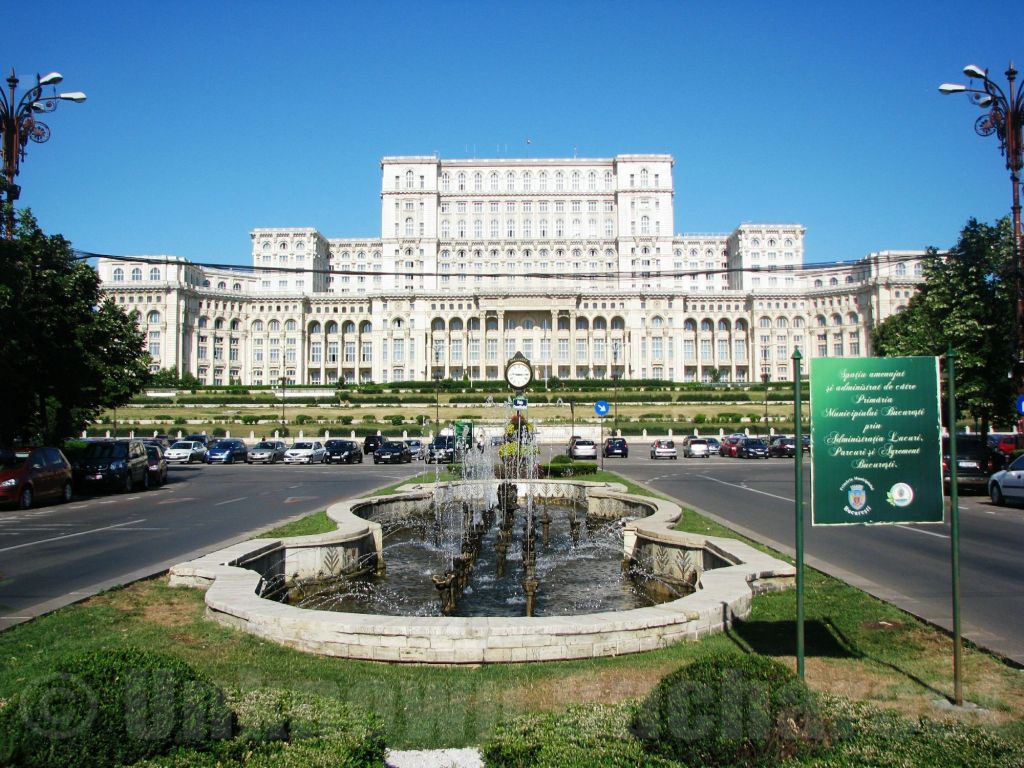
the “House of the People”
Ceaușescu’s dictatorial vision wasn’t limited to economic policies; it manifested in grand, often destructive, architectural projects. The most infamous example is the Palace of the Parliament (then known as the “House of the People”) in Bucharest. This colossal structure, one of the largest and heaviest buildings in the world, required the demolition of a significant portion of Bucharest’s historic center, displacing thousands of residents and destroying priceless architectural heritage. Beyond Bucharest, Ceaușescu envisioned a “systematization” program aimed at radically restructuring rural life. This plan entailed the demolition of thousands of traditional villages and the relocation of their inhabitants to new “agro-industrial centers.” The goal was to consolidate agriculture and eradicate the traditional peasant lifestyle, effectively wiping out centuries of cultural heritage for an ideologically driven, yet deeply unpopular, vision.
A Peculiar Foreign Policy
Interestingly, during the 1960s and 1970s, Romania under Ceaușescu garnered some international attention for its relatively independent foreign policy within the Soviet bloc. Ceaușescu often refused to blindly follow Moscow’s lead, notably condemning the 1968 Warsaw Pact invasion of Czechoslovakia and maintaining relations with Israel and West Germany. This stance earned him a degree of recognition and even admiration from some Western leaders, a stark contrast to the brutal repression he inflicted upon his own citizens at home.
The Violent End
The Romanian revolution of December 1989 marked the dramatic and violent end to Ceaușescu’s dictatorship. Unlike other Eastern European nations that saw relatively peaceful transitions, Romania’s revolution involved intense street fighting, particularly in Timișoara and Bucharest. The turning point came on December 22, 1989, when Ceaușescu and Elena fled Bucharest as protests escalated. They were captured, subjected to a hasty trial, and executed on Christmas Day, December 25, 1989, symbolizing the definitive collapse of their oppressive regime. The legacy of Ceaușescu’s dictatorship continues to shape Romania today, a stark reminder of the dangers of unchecked power, extreme nationalism, and the profound human cost of ideological extremism.
Het is december 2025, en als we de balans opmaken bij Feyenoord, zien we een club die gevangen zit in een identiteitscrisis. De erfenis van Arne Slot bleek een zware last, en zowel Brian Priske als Robin van Persie hebben geprobeerd de schoenen van ‘de koning’ te vullen. Maar wie was nu werkelijk de betere trainer? Laten we de cijfers en de emotie naast elkaar leggen.
Brian Priske: De Tactische Specialist zonder Gunfactor
Brian Priske begon zijn avontuur in Rotterdam met een prijs (de Johan Cruijff Schaal), maar zijn periode werd gekenmerkt door een gebrek aan chemie. Hoewel hij slechts 225 dagen bleef, liet hij statistisch gezien een interessant spoor na.
Europees Goud: Priske presteerde wat geen trainer sinds Leo Beenhakker (1999) lukte: hij bracht Feyenoord een ronde verder in de Champions League. De overwinningen op Benfica en Bayern München (3-0!) waren historisch. Het Ontslag: Ondanks die pieken werd hij op 10 februari 2025 ontslagen. De reden? Een vijfde plek in de Eredivisie en een gebrek aan verbinding met de spelersgroep. Zijn puntengemiddelde eindigde op 1,85.
Robin van Persie: Het Icoon met de Haperende Motor
Toen Van Persie in februari 2025 instapte, was de hoop enorm. De ‘verloren zoon’ kwam thuis na een grillig avontuur bij sc Heerenveen (wie herinnert zich die 9-1 tegen AZ nog?).
Vliegende Start: Van Persie begon ijzersterk. Hij scoorde hoog op expected goals en leek de aanvallende schwung terug te brengen. Na 13 wedstrijden in zijn eerste volledige seizoen stond hij exact op hetzelfde puntenaantal als Priske een jaar eerder. De Vrije Val: Nu, in december 2025, kraakt het fundament. Met een pijnlijk laag puntengemiddelde van 1,74 en een recente uitschakeling in de beker tegen uitgerekend sc Heerenveen, is de kritiek fors. Waar Priske Europees imponeerde, leed Van Persie pijnlijke nederlagen tegen clubs als Braga en Fenerbahçe.
Het Eindoordeel: Wie was de beste?
Het antwoord hangt af van je definitie van ‘de beste’. Als we puur kijken naar resultaat en prestige, dan wint Brian Priske. Hij bezorgde Feyenoord een tastbare prijs en zette de club weer op de kaart in Europa. Hij presteerde op het hoogste podium (Champions League) op een niveau dat we onder Van Persie simpelweg niet hebben gezien. Priske was een vakman die misschien de menselijke maat miste, maar tactisch vaker de juiste snaar raakte in grote duels. Robin van Persie krijgt de gunfactor en brengt meer spektakel, maar de cijfers liegen niet: hij haalt minder punten en de ‘ondergrens’ van zijn team is gevaarlijk laag.
Brian Priske was de betere trainer, maar Robin van Persie is de grotere Feyenoorder. In de topsport wint de trainer het echter altijd van het icoon.
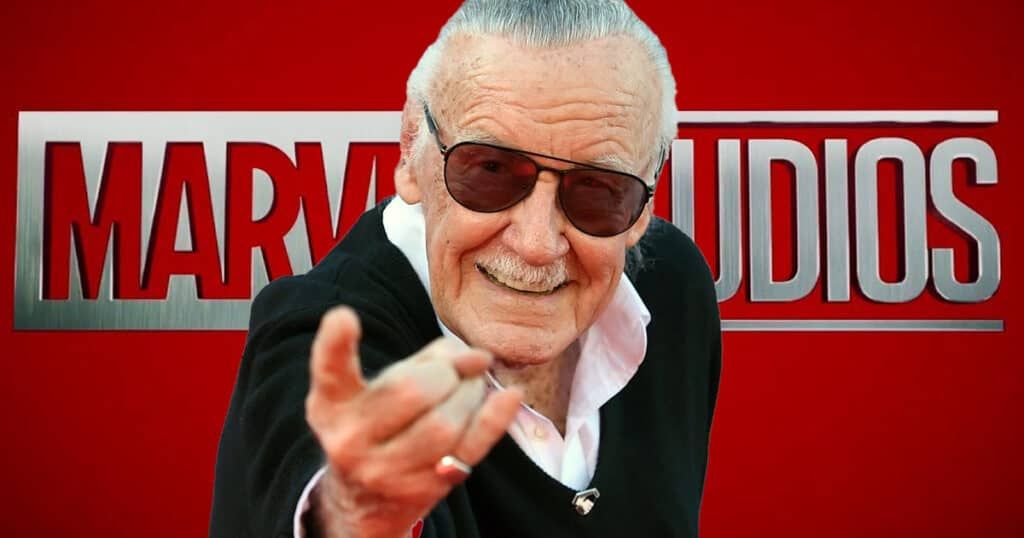
For generations of comic book fans and pop culture enthusiasts, one name stands above the rest: Stan Lee. Born Stanley Martin Lieber, he was more than just a writer, editor, and publisher; he was a visionary, a storyteller, and a true pioneer who helped shape the modern mythology of superheroes. Even years after his passing, his impact continues to resonate, his catchphrase “Excelsior!” still echoing in the hearts of millions.
Early Life and Influences
Born on December 28, 1922, in New York City, to Romanian-born Jewish immigrant parents, Stan Lee’s early life was marked by both creativity and hardship. Growing up during the Great Depression, he found solace and inspiration in books, movies, and the heroic figures of Errol Flynn. This love for storytelling led him to a job as an office assistant at Timely Comics (later Marvel Comics) in 1939, where he quickly rose through the ranks. His wife, Joan, played a crucial role, encouraging him to write the kinds of stories he wanted to read. This led to the creation of the Fantastic Four, which revolutionized the superhero genre. Stan’s experiences, including his time in the U.S. Army during World War II, also shaped his work. He aimed to make his characters relatable, flawed, and grounded in reality, a stark contrast to the often-perfect heroes of the time. Stan Lee credited the Scarlet Pimpernel as the first superhero he ever read about.
The Marvel Age of Comics
It was in the 1960s, during the “Marvel Age of Comics,” that Stan truly hit his stride. Collaborating with artistic titans like Jack Kirby and Steve Ditko, he co-created a pantheon of iconic characters that redefined the superhero genre. Before Marvel, superheroes were often infallible, almost god-like figures. Stan, however, brought a revolutionary concept to the table: heroes with relatable flaws, everyday problems, and internal struggles. He gave us: * Spider-Man: A teenager grappling with the responsibilities of his powers, financial woes, and the ever-present guilt of Uncle Ben’s death. * The Fantastic Four: A bickering, dysfunctional family of adventurers who, despite their powers, still argued about who got the last slice of pizza. * The Avengers: A diverse team of heroes, each with their own personality quirks and moral complexities, often clashing as much as they cooperated. * The X-Men: Mutants feared and hated by a world they swore to protect, serving as a powerful allegory for prejudice and civil rights. These characters, and countless others, resonated deeply with readers because they were, at their core, human. They faced real-world issues, made mistakes, and learned from them. Stan’s writing style, often characterized by its alliterative names, dramatic flair, and direct addresses to the reader, forged a unique connection, making fans feel like they were part of something special.
A Master Showman and Champion of Diversity
Beyond his groundbreaking characters, Stan Lee was a master showman. His legendary “Stan’s Soapbox” columns in Marvel comics were a direct line to his fans, filled with wit, wisdom, and genuine enthusiasm. He championed diversity and inclusion long before it became a mainstream conversation, using his platform to promote tolerance and understanding. Characters like Black Panther and the X-Men addressed themes of racism and prejudice, reflecting Stan’s commitment to using his platform for positive social change.
Awards and Recognition
Stan Lee’s contributions to the world of comics and pop culture have been widely recognized. He was inducted into the Will Eisner Award Hall of Fame in 1994 and the Jack Kirby Hall of Fame in 1995. In 2008, he received the National Medal of Arts. He also received a star on the Hollywood Walk of Fame.
Impact on Pop Culture
Stan Lee’s impact on pop culture is immeasurable. He expanded the audience for superhero comics from kids to teens and adults. He created a narrative foundation that has fueled pop culture across all media for nearly six decades. His influence extends beyond comics to film, television, music, and more. He is credited with creating intense fandom and building communities. His cameos in Marvel films became a beloved tradition, a testament to his enduring legacy. In his later years, Stan became the beloved face of Marvel, famous for his delightful cameos in nearly every Marvel Cinematic Universe film. These brief appearances were eagerly anticipated by fans, a nod to the man who started it all, a delightful wink from the “Generalissimo” himself. Stan Lee’s legacy is immense and multifaceted. He didn’t just create characters; he built a universe, a vibrant tapestry of interconnected stories that has inspired generations of creators and entertained billions worldwide. He taught us that with great power comes great responsibility, that heroes can come in all shapes and sizes, and that even the most extraordinary individuals grapple with ordinary challenges. So, the next time you pick up a comic book, watch a superhero movie, or simply feel a spark of inspiration, remember Stan Lee. Remember the man who dreamed up a world where the impossible became real, where good triumphs over evil, and where, no matter how tough things get, there’s always hope.
De VVD zegt dat de Nederlandse kiezer heeft gevraagd om een centrumrechts kabinet. Maar als we naar de officiële uitslag van de recente Tweede Kamerverkiezingen (29 oktober 2025) kijken, zien we iets anders: de kiezer koos vooral voor verdeeldheid en het politieke midden!
Hier zijn drie duidelijke redenen waarom de uitslag geen simpele ‘rechts-af’ is geworden.
Het Midden won: D66 en PVV op gelijke hoogte
De meest opvallende uitkomst van de verkiezingen is dat D66 (een uitgesproken midden- of centrumpartij) en de PVV (radicaal-rechts) beide de grootste zijn geworden, met elk 26 zetels.
D66’s overwinning laat zien dat een groot deel van de kiezers juist kiest voor een progressieve, toekomstgerichte en pro-Europese koers. De winst van D66 is een direct signaal van veel kiezers die een middenkabinet wensen, misschien zelfs met linkse partijen erbij. Dit is het tegenovergestelde van een pure ‘rechts-afslag’.
De PVV won ook flink, wat wel een sterke rechtse wind op thema’s als migratie en bestaanszekerheid aangeeft. Maar het feit dat een middenpartij als D66 even groot is, maakt de claim van een uitsluitend ‘rechts kabinet’ onmogelijk zonder D66’s invloed. Kortom: De kiezer heeft twee tegengestelde signalen afgegeven, waardoor een centrumrechts kabinet geen automatisme is.
De VVD is flink gekrompen
Als het electoraat echt massaal voor een centrumrechts kabinet had gekozen, dan zou je verwachten dat de traditionele centrumrechtse aanvoerder, de VVD, daarvan geprofiteerd zou hebben. Dat is niet gebeurd.
De VVD verloor flink en eindigde op de derde plek met 22 zetels.
Veel VVD-kiezers zijn weggelopen. Een deel ging naar de PVV (nog rechtser), maar een ander deel ging naar het CDA (dat zich meer op het midden positioneerde) of zelfs naar D66.
Resultaat: De VVD is niet meer de onbetwiste leider van rechts. De traditionele motor van ‘centrumrechts’ heeft kiezers verloren aan zowel het radicale rechts als aan het politieke midden.
De versnippering is groter dan ooit
De Tweede Kamer telt nu meer partijen dan ooit, en de onderlinge verschillen zijn toegenomen. Er is geen meerderheid (76 zetels) te vinden door simpelweg de ‘rechtse’ partijen op te tellen.
Zelfs als je de VVD, PVV, CDA en bijvoorbeeld JA21 bij elkaar optelt, kom je vaak niet aan een meerderheid van 76. Er zijn dus altijd partijen nodig die politiek gezien minder rechts zijn om tot een stabiel kabinet te komen.
Wat betekent dit? De kiezer heeft niet één duidelijke richting gekozen, maar heeft de partijen gedwongen om over hun eigen schaduw heen te stappen. De enige manier om een stabiele meerderheid te vormen, is door brede samenwerking: over de ‘blokken’ heen.
Conclusie: Een Middenkabinet ligt voor de hand
De uitslag is geen keuze vóór links, maar ook zeker geen overduidelijke keuze vóór uitsluitend rechts.
De kiezer koos voor D66 als grootste middenpartij en heeft de VVD verzwakt. Dit dwingt de partijen om een brede coalitie te zoeken, waardoor de kans op een middenkabinet dat een mix van links en rechts beleid voert (bijvoorbeeld met D66, VVD, CDA en GroenLinks/PvdA) veel groter is dan een kabinet dat puur rechts is.
De VVD mag dan zeggen dat de kiezer rechts wil, de uitslag toont vooral dat de kiezer geen duidelijke meerderheid heeft gegeven aan één blok, maar aan de partijen heeft gevraagd om samen te werken vanuit het brede politieke midden.
Elon Musk’s xAI recently launched Grokipedia, an AI-generated online encyclopedia, aiming to be a ‘less biased’ alternative to the long-standing knowledge hub, Wikipedia. While the idea of a new, AI-powered knowledge source is exciting, here’s why the veteran, Wikipedia, remains the more reliable and trustworthy source for general knowledge.
1. 🧑🤝🧑 The Power of Human Collaboration
The biggest strength of Wikipedia is its massive, global community of volunteer editors.
* Open and Transparent: Every change, every edit, every discussion is visible. If an article has a bias or an error, a large community of users is there to challenge it, debate it, and correct it. This transparent process is called “Verifiability, Not Truth”—meaning every claim must be supported by a reliable, published source.
* Diverse Perspectives: With millions of editors from every country, background, and perspective, Wikipedia benefits from a constant, internal balancing act that helps fight against single-source bias.
Grokipedia, on the other hand, is primarily created and “fact-checked” by the Grok AI model. While AI is powerful, it lacks the human judgment and diverse oversight that make Wikipedia’s articles robust. If the AI has a bias (which all Large Language Models do), it can be much harder to spot and correct.
2. 🔍 Proven Accuracy and Transparency
Wikipedia has been around for over two decades. It has developed strict, public policies and guidelines to ensure quality and neutrality.
* Strict Sourcing Rules: Wikipedia requires citations from reliable, secondary sources. This forces authors to back up their claims with established journalism or academic research.
* Visible History: You can see an article’s complete edit history, understanding how it evolved over time. This transparency is crucial for trust.
Early reports on Grokipedia, however, have already pointed out that it appears to have copied content from Wikipedia itself, in some cases nearly verbatim. Furthermore, the goal to “purge propaganda” has led to articles reflecting the personal views of its founder on certain sensitive topics. This immediately raises concerns about neutrality and the potential for a new, different type of bias.
3. ⚖️ Non-Profit Mission vs. Corporate Goal
Wikipedia is run by the Wikimedia Foundation, a non-profit organization.
* Mission-Driven: Its sole mission is to provide free, accessible, and high-quality knowledge to the world, without commercial interest.
* No Shareholders: Wikipedia is not trying to maximize profit or cater to investors. It exists only to serve its educational purpose.
Grokipedia is a product of xAI, a for-profit company founded by Elon Musk. While a for-profit company can produce quality content, its ultimate loyalty lies with its business goals, not purely with the impartial pursuit of knowledge.
Conclusion: Stick with the Standard
While new technology like AI has its place, the core value of an encyclopedia is trust and verifiable neutrality. Wikipedia’s open, community-driven model—where people can argue, discuss, and correct content—makes it a fundamentally more transparent and reliable source than a platform where information is primarily decided by an AI model and its corporate owners. For now, and for the foreseeable future, when you need to quickly check a fact or learn about a topic, the original, open, and human-powered encyclopedia remains the gold standard.
 brainwaves