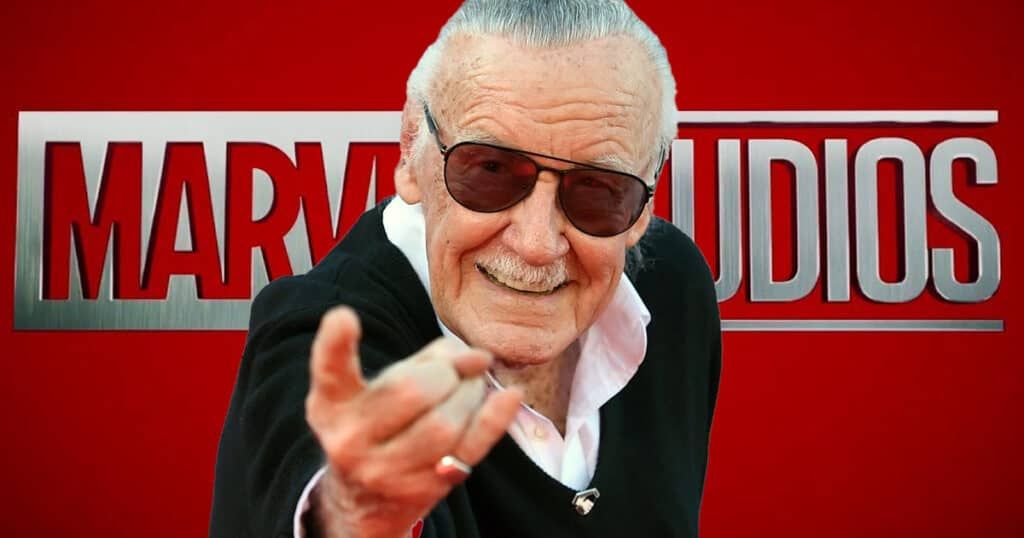
For generations of comic book fans and pop culture enthusiasts, one name stands above the rest: Stan Lee. Born Stanley Martin Lieber, he was more than just a writer, editor, and publisher; he was a visionary, a storyteller, and a true pioneer who helped shape the modern mythology of superheroes. Even years after his passing, his impact continues to resonate, his catchphrase “Excelsior!” still echoing in the hearts of millions.
Early Life and Influences
Born on December 28, 1922, in New York City, to Romanian-born Jewish immigrant parents, Stan Lee’s early life was marked by both creativity and hardship. Growing up during the Great Depression, he found solace and inspiration in books, movies, and the heroic figures of Errol Flynn. This love for storytelling led him to a job as an office assistant at Timely Comics (later Marvel Comics) in 1939, where he quickly rose through the ranks. His wife, Joan, played a crucial role, encouraging him to write the kinds of stories he wanted to read. This led to the creation of the Fantastic Four, which revolutionized the superhero genre.
Stan’s experiences, including his time in the U.S. Army during World War II, also shaped his work. He aimed to make his characters relatable, flawed, and grounded in reality, a stark contrast to the often-perfect heroes of the time.
Stan Lee credited the Scarlet Pimpernel as the first superhero he ever read about.
The Marvel Age of Comics
It was in the 1960s, during the “Marvel Age of Comics,” that Stan truly hit his stride. Collaborating with artistic titans like Jack Kirby and Steve Ditko, he co-created a pantheon of iconic characters that redefined the superhero genre.
Before Marvel, superheroes were often infallible, almost god-like figures. Stan, however, brought a revolutionary concept to the table: heroes with relatable flaws, everyday problems, and internal struggles. He gave us:
* Spider-Man: A teenager grappling with the responsibilities of his powers, financial woes, and the ever-present guilt of Uncle Ben’s death.
* The Fantastic Four: A bickering, dysfunctional family of adventurers who, despite their powers, still argued about who got the last slice of pizza.
* The Avengers: A diverse team of heroes, each with their own personality quirks and moral complexities, often clashing as much as they cooperated.
* The X-Men: Mutants feared and hated by a world they swore to protect, serving as a powerful allegory for prejudice and civil rights.
These characters, and countless others, resonated deeply with readers because they were, at their core, human. They faced real-world issues, made mistakes, and learned from them. Stan’s writing style, often characterized by its alliterative names, dramatic flair, and direct addresses to the reader, forged a unique connection, making fans feel like they were part of something special.
A Master Showman and Champion of Diversity
Beyond his groundbreaking characters, Stan Lee was a master showman. His legendary “Stan’s Soapbox” columns in Marvel comics were a direct line to his fans, filled with wit, wisdom, and genuine enthusiasm. He championed diversity and inclusion long before it became a mainstream conversation, using his platform to promote tolerance and understanding. Characters like Black Panther and the X-Men addressed themes of racism and prejudice, reflecting Stan’s commitment to using his platform for positive social change.
Awards and Recognition
Stan Lee’s contributions to the world of comics and pop culture have been widely recognized. He was inducted into the Will Eisner Award Hall of Fame in 1994 and the Jack Kirby Hall of Fame in 1995. In 2008, he received the National Medal of Arts. He also received a star on the Hollywood Walk of Fame.
Impact on Pop Culture
Stan Lee’s impact on pop culture is immeasurable. He expanded the audience for superhero comics from kids to teens and adults. He created a narrative foundation that has fueled pop culture across all media for nearly six decades. His influence extends beyond comics to film, television, music, and more. He is credited with creating intense fandom and building communities. His cameos in Marvel films became a beloved tradition, a testament to his enduring legacy.
In his later years, Stan became the beloved face of Marvel, famous for his delightful cameos in nearly every Marvel Cinematic Universe film. These brief appearances were eagerly anticipated by fans, a nod to the man who started it all, a delightful wink from the “Generalissimo” himself.
Stan Lee’s legacy is immense and multifaceted. He didn’t just create characters; he built a universe, a vibrant tapestry of interconnected stories that has inspired generations of creators and entertained billions worldwide. He taught us that with great power comes great responsibility, that heroes can come in all shapes and sizes, and that even the most extraordinary individuals grapple with ordinary challenges.
So, the next time you pick up a comic book, watch a superhero movie, or simply feel a spark of inspiration, remember Stan Lee. Remember the man who dreamed up a world where the impossible became real, where good triumphs over evil, and where, no matter how tough things get, there’s always hope.
Excelsior!
 brainwaves